At first glance, a time and attendance system looks simple.
Employees clock in. Employees clock out. Payroll runs. How hard can it be?
The challenge is this: when that is all a system is designed to do, it rarely stays inexpensive for long. Over time, it often becomes one of the most costly operational decisions a business makes – just not in ways that appear neatly on an invoice.
After decades of working with South African organisations across retail, logistics, manufacturing, warehousing, and services, one pattern is consistent: companies not only outgrow their clocking systems, but their systems begin to fail when operations become busier, more distributed, and more pressured. That is precisely when reliability matters most.
The Illusion of a “Simple” Clocking System
A basic clocking system is initially attractive. It is cheaper, quicker to implement, and easier to explain. In clean, predictable environments, it can work.
Most organisations outgrow that phase sooner than they expect.
As operations evolve, employees swap shifts, work across sites, cover short-notice absences, and move between teams. Leave, overtime, and public holidays become harder to calculate accurately. What were once exceptions become daily routines.
Clocking time is straightforward.
Managing a workforce is not.
That’s when systems built only to capture biometric clockings – without enforcing rules, managing exceptions, or aligning teams operating nationally – begin to break down.
The Hidden Costs Few Organisations Budget For
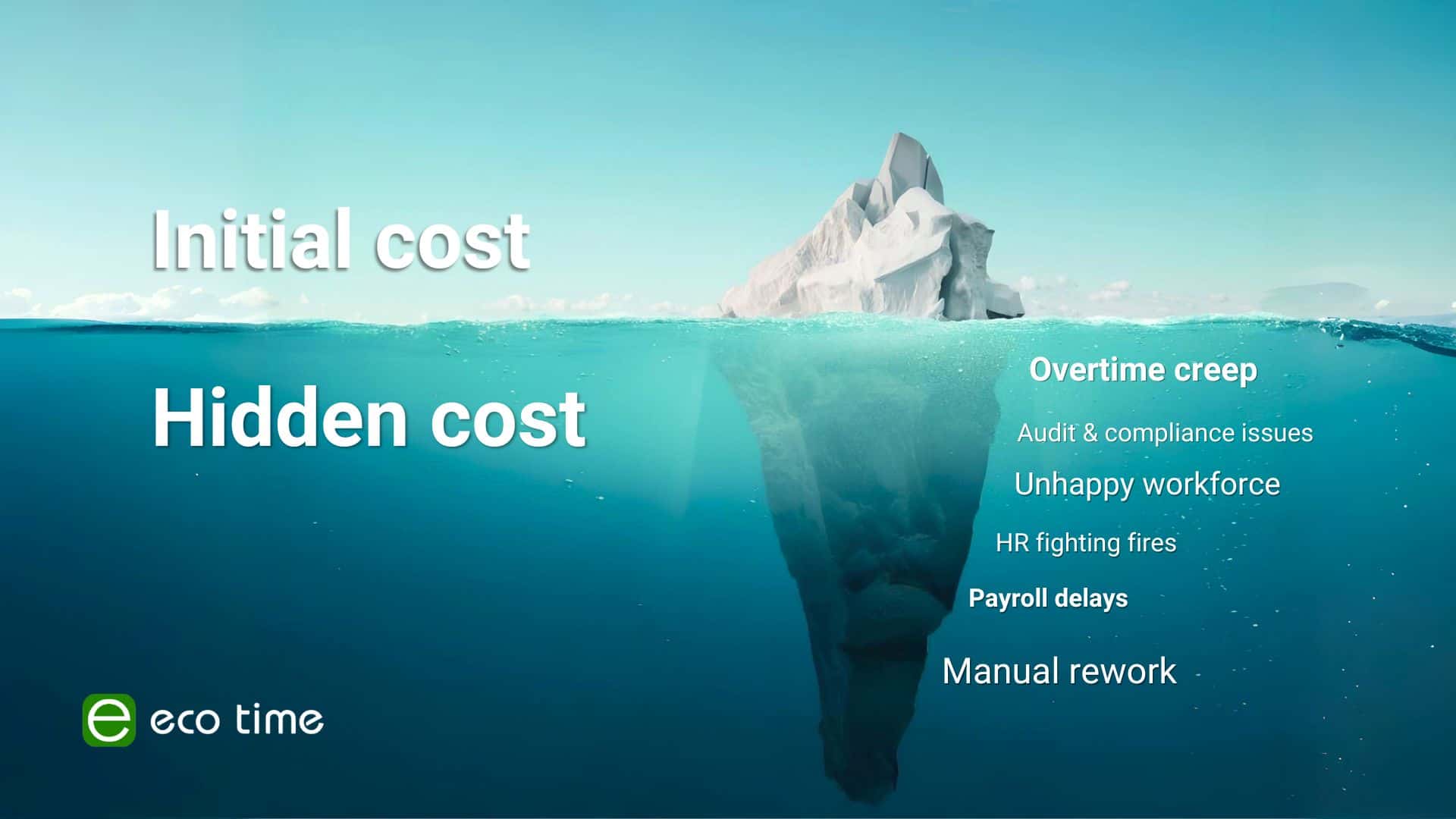
The true cost of “just a clocking system” is not the licence or implementation fee. It is what the organisation must do to keep the system usable as complexity increases.
Manual corrections become routine, payroll rework becomes expected, unauthorised overtime inflates wage bills, and HR spends more time resolving discrepancies than managing people.
When disputes, inspections, or audits arise, gaps in historical records turn small issues into real risks. And when clocking systems do not integrate cleanly, people compensate with spreadsheets, emails, and verbal handovers, where errors multiply, and accountability fades.
None of this feels dramatic at first.
That’s exactly when costs start slipping under the radar.
One well-known South African wedding venue, operating across two sites, experienced this firsthand. Despite having a basic biometric system, all data still had to be processed manually. After switching to Eco Time’s cloud solution, that changed.
Rules are now enforced automatically, and with Eco Time’s charge rate feature, the system calculates actual monetary values owed to casual workers, saving hours of admin and ensuring cost accuracy across both locations.
The hidden costs of manual work don’t show up on a quote, but they hit hard when operations rely on accurate data.
The Limit Most Systems Were Never Built For
Basic clocking systems cope only when a business needs little more than clocking in and clocking out. As operational complexity increases, their limitations surface.
In practice, these systems struggle when organisations need to:
- Apply complex shift and overtime rules
Rolling shifts, call-outs, double shifts, and public holidays are handled manually or inconsistently, leading to disputes and constant payroll rework. - Adjust rosters in real time without losing control
Coverage changes during the day, but approvals, accountability, and downstream payroll accuracy fall behind. - Track employees across branches without breaking the numbers
Hours may be captured, but cost centres, sites, or departments no longer align, forcing manual corrections at month-end. - Understand labour cost while work is happening, not afterwards
By the time worked hours are reconciled against planned or budgeted time, the opportunity to intervene has already passed. - Give HR, payroll, operations, and finance the same version of the truth
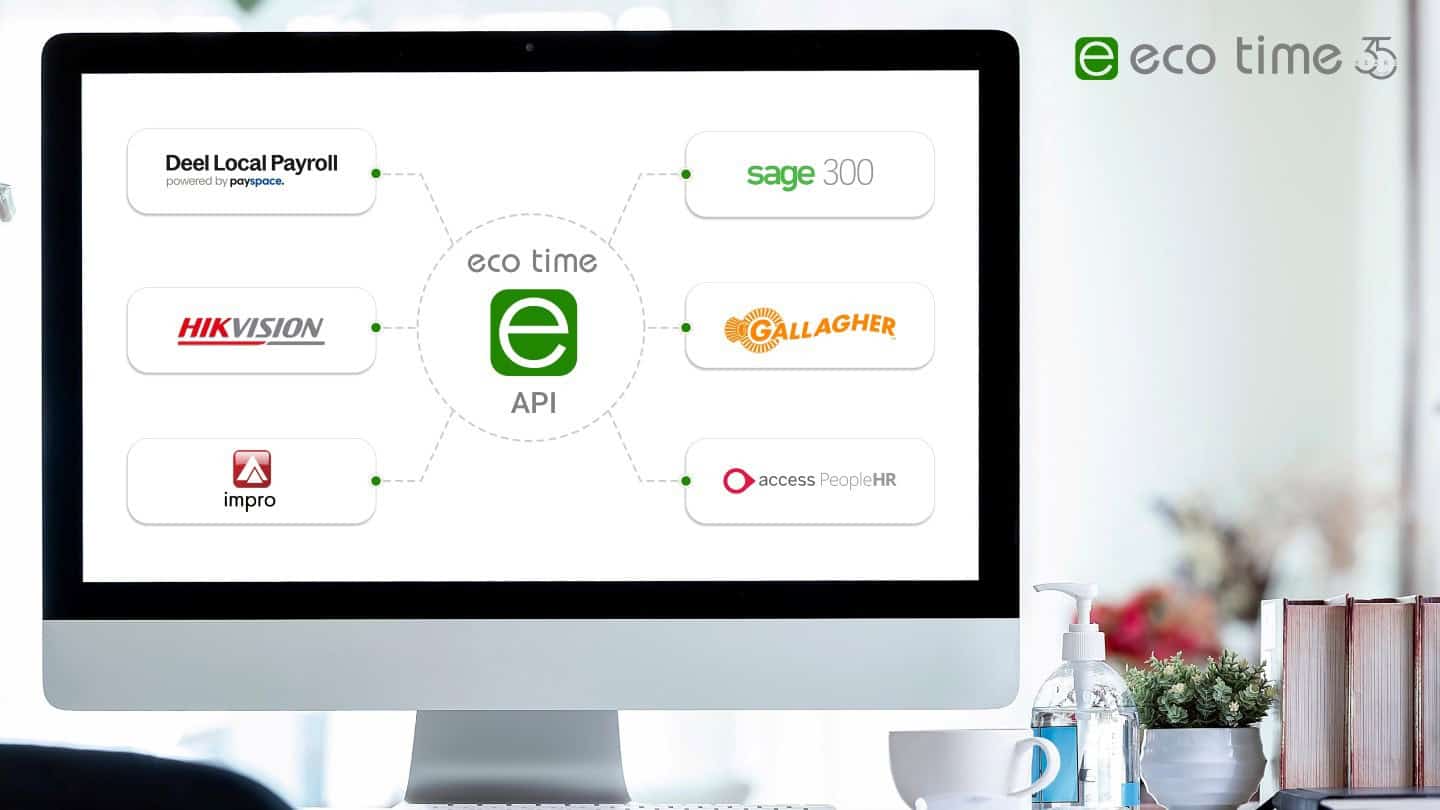
Each team works off different exports, assumptions, or reports, and no one is fully confident which number is correct. - Integrate with payroll, HR, or ERP systems without human glue
Employee numbers don’t match, leave types differ, classifications drift, and people spend days reconciling data that should already agree.
Workforce management rarely fails because one single requirement was missed.
It fails because multiple stakeholders need different outcomes from the same system. And most platforms were never designed to carry that weight simultaneously.
This is not a failure of effort.
It is a limitation of design.
When “Enterprise-Ready” Meets Reality
Many systems describe themselves as enterprise-ready because they offer many features. The real test comes later when rules change, volumes increase, and consistency matters across branches, departments and payroll.
Systems built primarily for basic biometric clocking often rely on growing manual oversight as complexity increases. Over time, that flexibility becomes fragile. Not because the system lacks features, but because it was never designed to carry sustained operational complexity at scale.
Feature depth and operational discipline are not the same thing.
The Question Worth Asking
Before choosing a system, the most important question is not:
“How much does it cost?”
It is:
“What will this cost us when we are bigger, busier, operating across multiple sites, and under pressure?”
In workforce management, the most expensive systems are often the ones that looked cost-effective at the start but were never built for what the organisation would eventually become.
Eco Time: Built for Complexity. Proven at Scale.
Eco Time is designed for organisations where complexity is the norm, not the exception.
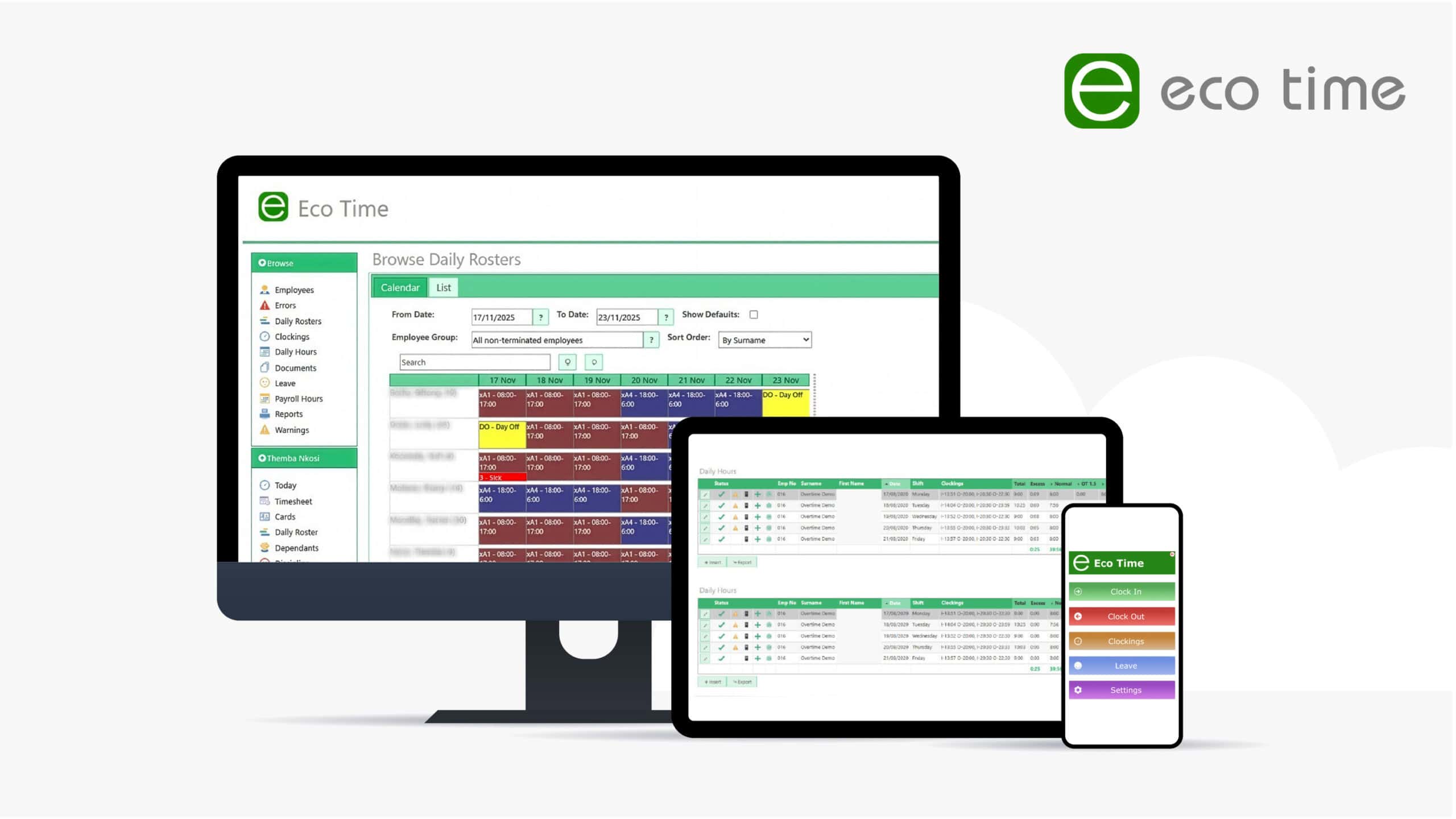
Multi-site operations, evolving rules, high volumes, and compliance requirements are handled by design and not workarounds. With 35 years of real-world workforce management experience, Eco Time keeps time and attendance, access control, HR, and labour costing aligned consistently.
Just as importantly, Eco Time is supported by teams who understand operational pressure, not scripted responses. We know when to act, but we also know when restraint protects the business.
If you are already seeing signs of operational strain, it may be time to stop asking whether your system records time and start asking whether it can handle your organisation’s complexity.
If this sounds familiar, book a demo or talk to our team about your challenges and how Eco Time can help.